
TB in text usually means “throwback” or, in a different context, “text back.” Which one applies depends entirely on the message it’s attached to.
If you’ve seen TB in a caption or a text and paused to figure out which meaning fit, that’s a fair reaction. This is one of those short abbreviations that genuinely carries two common uses, and guessing wrong can send the wrong message.
You’ll spot TB most often in Instagram captions, Snapchat memories, TikTok comments, and everyday texting. On social media, it usually introduces an old photo or memory, like “TB to summer break.” In a direct text, it often means “text back,” used when someone’s waiting on a reply, like “hey TB when you can.”
People search for this term because the same two letters point in two very different directions, one nostalgic and one urgent. Luckily, the words around TB almost always make the intended meaning obvious.
This guide breaks down both meanings so you’ll always know which one applies.
TB Meaning in Text
In texting, TB most commonly means “Text Back.”
People use it when asking someone to reply after they’ve read a message. It’s a quick and informal way to remind someone to respond.
For example:
- “TB when you get home.”
- “Don’t forget about TB.”
- “TB when you’re free.”
In each example, TB simply means “text back” or “reply to my message.”
Is TB Slang or an Acronym?
TB is a texting abbreviation that functions like an acronym.
It’s widely used in casual conversations to save time while typing. Although it’s common among younger users, people of different age groups may also use it in text messages.
What Does TB Mean in Everyday Chat?
In everyday conversations, TB is usually used to request a reply.
People may use it to:
- Ask someone to respond later
- Continue a conversation
- Check if someone is available
- Wait for an update
- Confirm plans
Examples include:
- “TB after class.”
- “TB when you finish work.”
- “I’ll be busy. TB later.”
- “TB if anything changes.”
The meaning is friendly and straightforward, making it easy to understand in most conversations.
Where People Use TB
TB appears across many messaging apps and social media platforms. Although its meaning may vary depending on the situation, “Text Back” is one of the most common interpretations in private conversations.
TB on TikTok
On TikTok, TB is less common in public comments but may appear in direct messages.
Examples include:
“TB when you watch this.”
Or:
“TB after you’re done.”
In private chats, it’s simply a request for the other person to reply.
TB on Snapchat
On Snapchat, TB is commonly used between friends.
Someone might send:
“I’m going offline. TB later.”
Or:
“TB when you wake up.”
Since Snapchat conversations are fast and informal, abbreviations like TB are popular.
TB on Instagram
On Instagram, TB may appear in direct messages.
For example:
“TB after you see my message.”
Or:
“TB if you’re interested.”
Keep in mind that on Instagram, TB may also refer to “Throwback,” especially in captions featuring old photos. Reading the context will help you determine the correct meaning.
TB on WhatsApp
On WhatsApp, TB is commonly used in one-on-one chats and group conversations.
Examples include:
“TB when you reach home.”
Or:
“I’m in a meeting. TB later.”
It’s a quick way to let someone know you’re expecting a response.
TB in SMS Text Messages
TB has been used in SMS texting for years as a convenient shortcut.
Examples include:
“Call me if you can. TB.”
Or:
“I’ll message you later. TB when you’re free.”
Although modern smartphones make typing easier, many people still use abbreviations like TB because they’re short and familiar.
Why Is TB So Popular?
TB remains popular because it helps keep conversations quick and efficient.
Instead of typing “text back,” users can simply write TB, saving time without changing the meaning of the message.
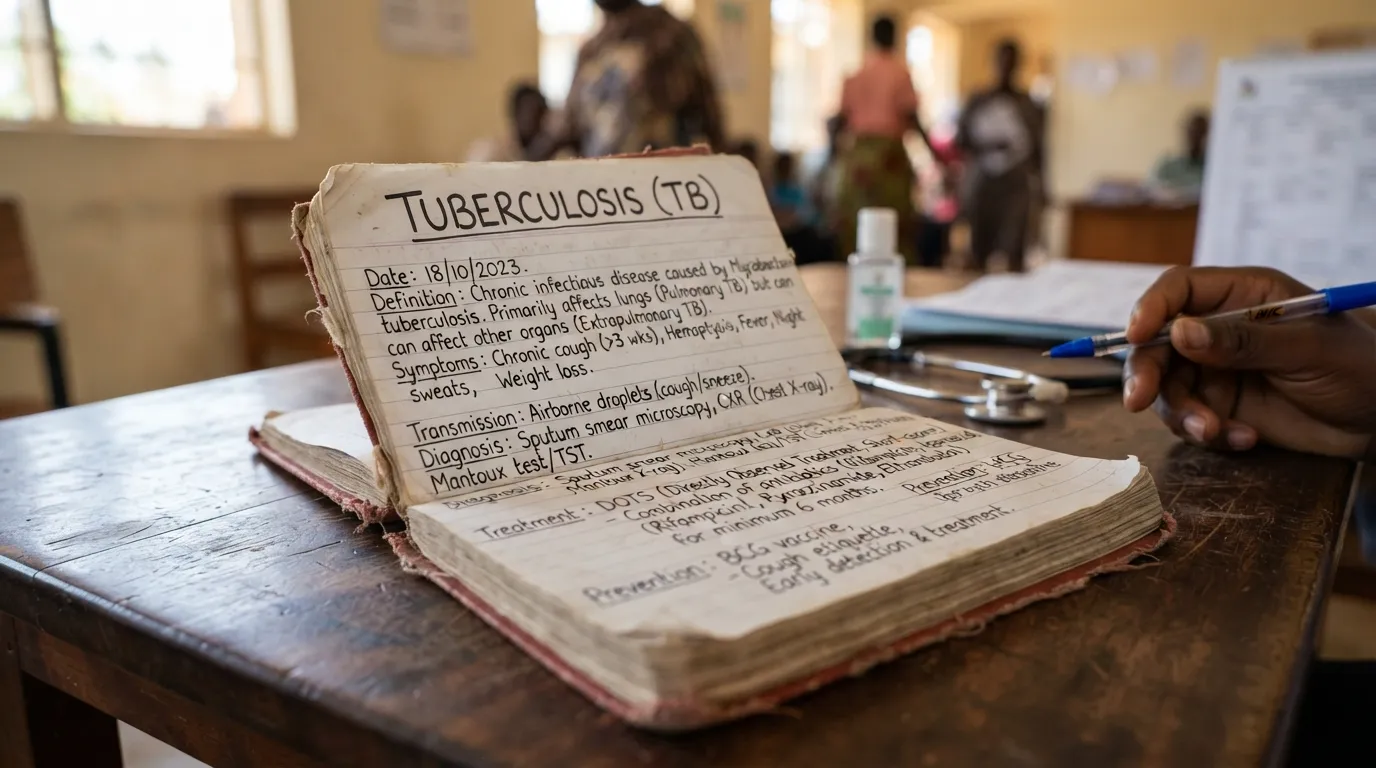
Since TB can have multiple meanings, it’s important to pay attention to the context. In personal text messages, it usually means “Text Back,” while in social media posts it may mean “Throwback.” In medical discussions, it often refers to tuberculosis. Understanding the conversation will help you interpret the abbreviation correctly.
Real Chat Examples
The easiest way to understand TB is to see how people use it in everyday conversations. Here are 10 realistic texting examples where TB means “Text Back.”
Example 1
A: I’m heading to work now.
B: Okay, TB when you get there.
A: Will do.
Example 2
A: Can we talk later?
B: Sure. TB when you’re free.
A: Sounds good.
Example 3
A: I just sent you the details.
B: Thanks. I’ll check them soon.
A: TB after you read everything.
Example 4
A: I’m about to board my flight.
B: Safe travels! TB when you land.
A: I will.
Example 5
A: Did you finish your exam?
B: Not yet.
A: TB when you’re done.
Example 6
A: I’m in a meeting right now.
B: No problem.
A: TB later this afternoon.
Example 7
A: I found a new apartment.
B: Really?
A: Yeah! TB when you have time to talk.
Example 8
A: I’ll send you the photos tonight.
B: Great!
A: TB after you see them.
Example 9
A: I have something important to tell you.
B: I’m driving right now.
A: Okay, TB when you’re home.
Example 10
A: Thanks for your help today.
B: Anytime!
A: TB if you need anything.
How to Reply When Someone Says “TB”
When someone sends TB, they’re usually asking you to reply later. Your response can be simple and friendly.
Funny Replies
- “Only if you promise to TB too. 😂”
- “I’ll charge my phone first!”
- “You got it!”
- “Don’t worry, I won’t leave you to read.”
Casual Replies
- “Okay.”
- “Will do.”
- “Sure!”
- “Got it.”
Friendly Replies
- “I’ll text you back soon.”
- “Talk to you later.”
- “I’ll let you know.”
- “Sounds good!”
Neutral Replies
- “Understood.”
- “No problem.”
- “I’ll reply later.”
- “Thanks.”
A quick acknowledgment lets the sender know you’ve seen the message and plan to respond.
Is TB Rude or Offensive?
No. TB is not rude or offensive.
When it means “Text Back,” it’s simply a casual request for someone to reply.
It’s commonly used between:
- Friends
- Family members
- Classmates
- Coworkers
- Romantic partners
However, because TB is informal, it’s better to avoid it in:
- Business emails
- Academic papers
- Official documents
- Formal workplace communication
In professional situations, writing “Please reply when you have time” sounds more appropriate.
Who Uses This Term?
TB is commonly used by:
- Teenagers
- Gen Z
- Millennials
- College students
- Frequent texters
You’ll often see it on:
- TikTok
- Snapchat
- Facebook Messenger
- SMS text messages
Although younger users use abbreviations more often, TB is understood by many people who regularly communicate through messaging apps.
Origin of the Term
TB became popular as texting grew and people searched for faster ways to communicate.
Instead of typing “text back” every time, users shortened it to TB, making conversations quicker and easier.
Over time, the abbreviation spread across SMS, instant messaging apps, and social media platforms.
Today, TB remains a common texting shortcut, although its meaning always depends on the context of the conversation.
Comparison Table
| Abbreviation | Meaning | Type | Usage | Popularity |
| TB | Text Back | Texting Abbreviation | Asking someone to reply to a message | High |
| IDK | I Don’t Know | Acronym | Expressing uncertainty | Very High |
| IDC | I Don’t Care | Acronym | Showing indifference | High |
| IMO | In My Opinion | Acronym | Sharing an opinion | High |
| BRB | Be Right Back | Acronym | Letting someone know you’ll return soon | Very High |
Real-World Usage Example
Imagine you’ve just texted your friend about weekend plans, but they tell you they’re busy at work.
They reply:
“I’m in a meeting right now. TB in about an hour.”
You know they’re asking you to wait until they’re available before continuing the conversation.
In another situation, your sibling is driving home after a trip. Before they leave, you text:
“Drive safely. TB when you get home.”
A few hours later, they reply:
“Just got home!”
These examples show how TB is commonly used to ask someone to text back when they have time or when they’re available.
FAQs
What does TB mean in text messages?
In text messages, TB usually means “Text Back.” It’s a casual way of asking someone to reply when they’re free.
What does TB mean on TikTok?
On TikTok, TB can have different meanings depending on the context. In direct messages, it often means “Text Back.” In captions, however, it may stand for “Throwback,” especially when sharing old photos or videos.
Is TB slang?
TB is a texting abbreviation, not traditional slang. It’s a shortened way of writing “Text Back” in casual conversations.
Is TB rude or offensive?
No. TB is not rude or offensive. It’s a friendly abbreviation that simply asks someone to reply to a message.
How should you reply to TB?
If someone says TB, you can respond with:
- “Okay!”
- “Will do.”
- “Talk to you later.”
- “I’ll text you back.”
- “Sounds good.”
Conclusion
TB is a popular texting abbreviation that most commonly means “Text Back.” People use it to ask someone to reply when they’re available, making conversations quicker and more convenient.
You’ll often see TB in text messages, WhatsApp chats, Snapchat conversations, Instagram DMs, and other messaging apps. Keep in mind that TB can have different meanings, such as “Throwback” on social media or “Tuberculosis” in medical discussions, so the context is important.
While TB works well in casual conversations with friends and family, it’s usually better to write “text back” or “please reply” in professional or formal communication. Understanding the context will help you interpret and use this abbreviation correctly.